Γιώργος Παππάς
- 전문 분야
- 연기
- 생년월일
- 1903년 1월 6일 · 55년
- 사망일
- 1958년 5월 3일
- 출생지
- Athens, Greece
다른 이름
경력
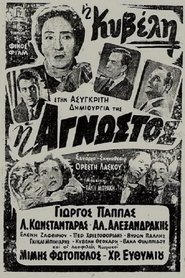
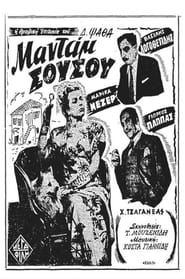
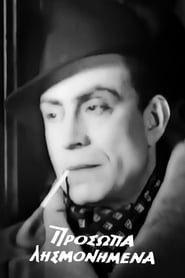
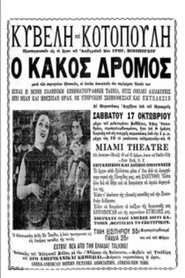
Georgios Pappas (Greek: Γιώργος Παππάς, Athens, 6 January 1903 - Athens, 3 May 1958) was a Greek dramatic actor. In 1933 he made his first appearance in cinema in the film "The Bad Road" directed by the Turk Muthshin Ertrogul and written by Grigor Xenopoulos, alongside Marika Kotopouli and Kyveli, to devote the next 13 years exclusively to theatre. During the occupation, he served as a conductor with Vasso Manolidou, Nikos Dendramis and Emilios Veakis. After the liberation, he collaborated with Katerina, but a turning point in his career was the period 1953-1959, with the troupe he co-organized with Lampeti and Horn – a troupe of stars as it was characterized – which was also the last theatrical collaboration of his short life. Some of his exceptional theatrical successes were in “Crime and Punishment”, “Don Juan”, “Caesar and Cleopatra”, “Saint Joan”, “Annunciation” and others. He also served as a professor of acting at the Drama School of the National Theater. He appeared in cinema again in 1946, starring in the film “Forgotten Faces” by Giorgos Tzavellas, and in 1948 in “Madame Sousou” by Takis Mouzenidis. In 1952 he also starred in Alekos Sakellarios' film, "The Other" and in Michael Cacoyannis' "Sunday Awakening". From then on, although he knew that he was suffering from cancer and was doomed, he continued to act in theater and cinema, giving his best. His next films were: "The Unknown" by Orestis Laskos in 1956, "The Last Lie" by Michael Cacoyannis in 1957 and finally "The Train Man" by Dinos Dimopoulos in 1958, a film whose filming ended shortly before his death. He translated many plays, several of which he directed himself, while at the same time contributing to French theater, for which he was honored with the bronze medal of the Legion of Honor.